


Durable and Efficient Business Roofing Options
- Alex Morgan

- Feb 16
- 4 min read
When it comes to protecting your commercial property, choosing the right roofing system is crucial. A durable and efficient roof not only safeguards your building from the elements but also contributes to energy savings and long-term cost-effectiveness. This article explores various business roofing options that combine strength, longevity, and efficiency to help you make an informed decision for your commercial space.
Exploring Business Roofing Options for Longevity and Efficiency
Selecting the right roofing material and system depends on several factors including climate, building structure, budget, and maintenance requirements. Here are some of the most popular and reliable business roofing options available today:
1. Thermoplastic Olefin (TPO) Roofing
TPO roofing is a single-ply membrane known for its heat-reflective properties and energy efficiency. It is made from a blend of polypropylene and ethylene-propylene rubber, which makes it resistant to UV rays, chemical exposure, and punctures.
Benefits:
- Reflects sunlight, reducing cooling costs.
- Heat-welded seams provide strong, watertight protection.
- Lightweight and easy to install.
- Environmentally friendly and recyclable.
Ideal for: Flat or low-slope commercial roofs in warmer climates.
2. Ethylene Propylene Diene Monomer (EPDM) Roofing
EPDM is a durable synthetic rubber roofing membrane widely used in commercial roofing. It is known for its excellent resistance to weathering, ozone, and UV radiation.
Benefits:
- Long lifespan, often exceeding 30 years.
- Flexible and can withstand temperature fluctuations.
- Cost-effective and easy to repair.
- Available in black or white, with white offering better reflectivity.
Ideal for: Flat roofs in various climates, especially where budget constraints exist.
3. Metal Roofing
Metal roofing is gaining popularity in commercial buildings due to its durability and modern appearance. Common metals used include steel, aluminum, and copper.
Benefits:
- Extremely durable and resistant to fire, wind, and impact.
- Reflects solar radiant heat, reducing cooling costs.
- Low maintenance and recyclable.
- Can be installed over existing roofs, reducing tear-off costs.
Ideal for: Buildings with sloped roofs or those seeking a long-lasting, sustainable option.
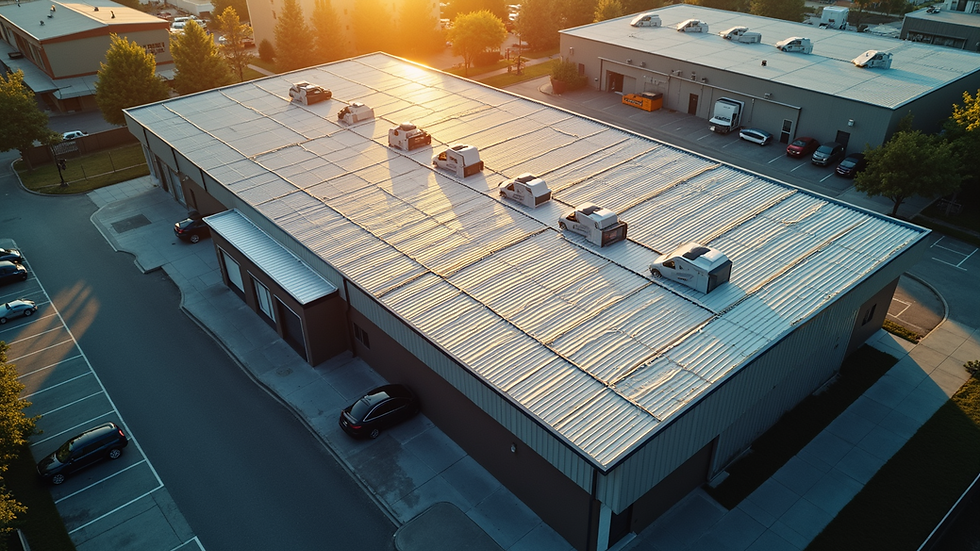
4. Built-Up Roofing (BUR)
Built-Up Roofing is a traditional roofing system made of multiple layers of bitumen and reinforcing fabrics. It is finished with a layer of aggregate such as gravel or mineral granules.
Benefits:
- Excellent waterproofing and UV protection.
- Durable and resistant to foot traffic.
- Provides good insulation.
- Proven track record with decades of use.
Ideal for: Flat or low-slope roofs where durability and waterproofing are priorities.
5. Modified Bitumen Roofing
Modified bitumen is an evolution of BUR, combining asphalt with modifiers to enhance elasticity and performance. It is typically installed in sheets and can be applied using heat or adhesives.
Benefits:
- Flexible and resistant to cracking.
- Easy to install and repair.
- Good resistance to weather and UV rays.
- Suitable for roofs with slight slopes.
Ideal for: Commercial buildings requiring a tough, flexible roofing membrane.
What is the most common type of commercial roof?
The most common type of commercial roof is the flat or low-slope roof, often covered with single-ply membranes like TPO or EPDM. These materials are favored because they provide excellent waterproofing, are cost-effective, and are relatively easy to install and maintain. Flat roofs also allow for easy installation of HVAC units and solar panels, making them practical for many businesses.
Factors to Consider When Choosing Business Roofing Options
Choosing the right roofing system involves more than just picking a material. Consider these critical factors to ensure your roof meets your business needs:
Climate and Weather Resistance
In hot climates, reflective roofing materials like TPO or metal can reduce cooling costs.
In colder regions, materials with good insulation properties and resistance to snow and ice are essential.
Areas prone to storms or hail require impact-resistant roofing options.
Roof Slope and Building Structure
Flat roofs typically use membranes like EPDM, TPO, or BUR.
Sloped roofs can accommodate metal roofing or shingles.
The building’s structural capacity may limit roofing weight.
Budget and Lifecycle Costs
Initial installation cost vs. long-term maintenance and replacement expenses.
Some materials like metal have higher upfront costs but longer lifespans.
Consider warranties and expected durability.
Energy Efficiency and Sustainability
Reflective roofing materials reduce energy consumption.
Some roofing options are recyclable or made from recycled materials.
Green roofing systems can provide additional insulation and environmental benefits.
Maintenance Requirements
Some roofing systems require regular inspections and upkeep.
Others, like metal roofs, are low maintenance.
Easy repairability can reduce downtime and costs.

Enhancing Roof Performance with Additional Features
To maximize the durability and efficiency of your commercial roof, consider integrating these features:
Roof Coatings: Applying reflective or protective coatings can extend roof life and improve energy efficiency.
Insulation: Proper insulation beneath the roofing membrane helps regulate indoor temperatures.
Drainage Systems: Efficient drainage prevents water pooling and reduces the risk of leaks.
Green Roofs: Incorporating vegetation can improve insulation, reduce stormwater runoff, and enhance aesthetics.
Final Thoughts on Durable and Efficient Business Roofing Options
Choosing the right roofing system is a critical investment for any commercial property. By understanding the benefits and limitations of various business roofing options, you can select a solution that offers durability, energy efficiency, and cost-effectiveness. Whether you opt for a modern TPO membrane, a traditional BUR system, or a sleek metal roof, prioritizing quality materials and professional installation will ensure your roof stands the test of time.
For more detailed guidance and professional services, consider consulting experts in commercial roofing to tailor the best roofing solution for your business needs.


Comments