


Exploring Flat Roof Benefits for Commercial Buildings
- Alex Morgan

- Dec 9, 2025
- 4 min read
Flat roofs have become a popular choice for commercial buildings due to their practicality and cost-effectiveness. Understanding the advantages of flat roofs can help business owners and property managers make informed decisions about roofing options. This article explores the key benefits of flat roofs, compares popular roofing materials, and offers insights into maintenance and sustainability.
Key Flat Roof Benefits for Commercial Properties
Flat roofs offer several advantages that make them ideal for commercial buildings. One of the primary benefits is cost efficiency. Flat roofs generally require fewer materials and less labor to install compared to pitched roofs. This can significantly reduce upfront construction costs.
Another important benefit is ease of access. Flat roofs provide a safe and convenient platform for maintenance workers, HVAC technicians, and solar panel installers. This accessibility reduces the risk and cost of routine inspections and repairs.
Flat roofs also maximize usable space. Many commercial buildings use their flat roofs for additional purposes such as rooftop gardens, outdoor seating areas, or equipment placement. This extra space can enhance the building’s functionality without expanding its footprint.
Additionally, flat roofs are known for their modern aesthetic. They offer a sleek, minimalist look that complements contemporary architectural styles. This can improve the overall appearance and marketability of commercial properties.
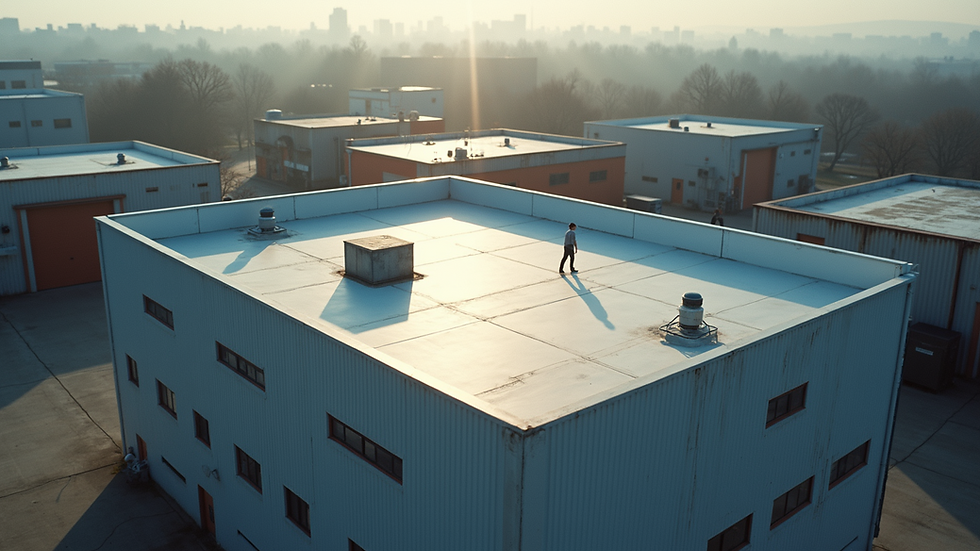
Comparing Popular Flat Roofing Materials: Which is Better, EPDM or TPO?
When selecting a flat roof, choosing the right material is crucial. Two of the most common options are EPDM (Ethylene Propylene Diene Monomer) and TPO (Thermoplastic Olefin). Both have unique characteristics that suit different needs.
EPDM is a synthetic rubber membrane known for its durability and flexibility. It performs well in extreme temperatures and resists UV radiation and ozone damage. EPDM roofs are typically black, which can absorb heat but also help with snow melting in colder climates.
TPO is a single-ply reflective roofing membrane made from a blend of polypropylene and ethylene-propylene rubber. It is highly resistant to UV rays and chemical exposure. TPO roofs are usually white or light-colored, which helps reflect sunlight and reduce cooling costs.
Here are some key differences:
Cost: EPDM is generally less expensive upfront, but TPO may offer better energy savings over time.
Installation: TPO membranes are heat-welded, creating strong seams, while EPDM is usually glued or taped.
Lifespan: Both materials can last 20-30 years with proper maintenance.
Environmental impact: TPO is often considered more environmentally friendly due to its reflective properties and recyclability.
Choosing between EPDM and TPO depends on your building’s climate, budget, and energy efficiency goals. Consulting with a roofing professional can help determine the best fit.
Maintenance and Longevity of Flat Roofs
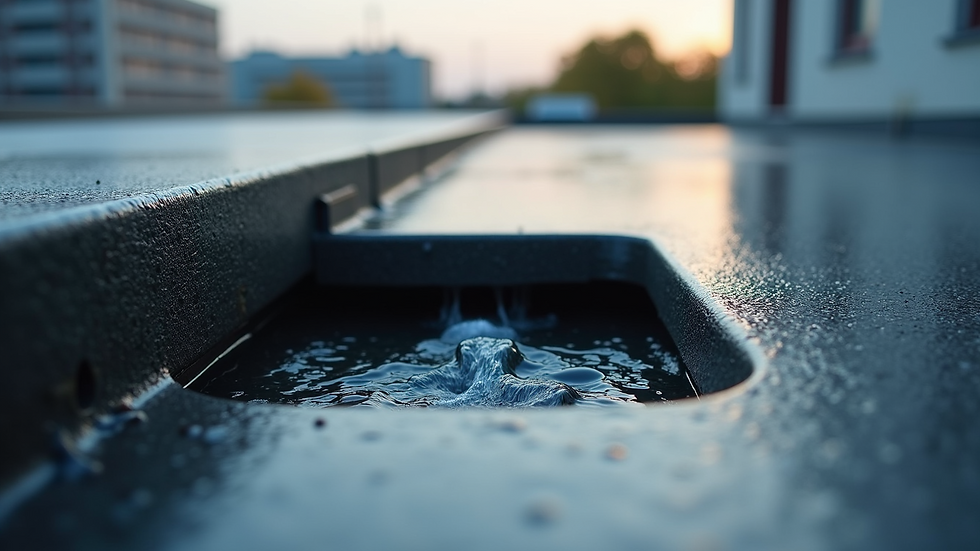
Proper maintenance is essential to maximize the lifespan of flat roofs. Regular inspections should focus on identifying issues such as ponding water, membrane damage, and clogged drains. Addressing these problems early can prevent costly repairs.
Flat roofs typically require less maintenance than pitched roofs because they have fewer seams and joints. However, they are more prone to water pooling, which can lead to leaks if not managed properly. Installing a high-quality drainage system is critical.
Routine cleaning to remove debris and checking for punctures or tears in the roofing membrane will help maintain the roof’s integrity. Seasonal inspections, especially after storms, are recommended.
With good care, flat roofs can last 20 years or more. Some roofing materials, like EPDM and TPO, come with warranties that cover defects and premature failure.
Energy Efficiency and Environmental Impact
Flat roofs can contribute significantly to a building’s energy efficiency. Their design allows for the installation of reflective roofing materials that reduce heat absorption. This helps keep the building cooler in summer, lowering air conditioning costs.
Additionally, flat roofs are ideal for installing solar panels. The unobstructed surface maximizes sunlight exposure, making solar energy systems more effective. This can reduce reliance on nonrenewable energy sources and decrease utility bills.
Green roofing options, such as rooftop gardens or vegetative roofs, are also easier to implement on flat roofs. These systems provide insulation, reduce stormwater runoff, and improve air quality.
By choosing energy-efficient materials and incorporating sustainable features, commercial buildings with flat roofs can reduce their carbon footprint and operational expenses.
Practical Considerations for Choosing Flat Roofs
When deciding on a flat roof for a commercial building, several practical factors should be considered:
Building Use - Determine if the roof will support additional equipment or recreational space.
Climate - Consider local weather patterns and how they affect roofing material performance.
Budget - Balance initial costs with long-term maintenance and energy savings.
Roofing Contractor - Select experienced professionals familiar with commercial flat roofs to ensure quality installation.
Warranty and Support - Review manufacturer warranties and service agreements.
For those interested in exploring options, commercial flat roofs offer a range of solutions tailored to different building needs and budgets.
Maximizing the Value of Your Commercial Flat Roof
Investing in a flat roof can enhance the value and functionality of a commercial property. To get the most out of this investment:
Schedule regular professional inspections.
Use high-quality materials suited to your environment.
Consider adding solar panels or green roofing systems.
Maintain clear drainage paths to prevent water damage.
Keep detailed records of maintenance and repairs.
By following these recommendations, building owners can enjoy the many advantages of flat roofs while minimizing risks and costs.
Flat roofs are a smart choice for commercial buildings seeking durability, efficiency, and versatility. With proper planning and care, they provide lasting benefits that support business operations and sustainability goals.


Comments